
La Plata County Money Search
La Plata County unclaimed money is held by the State of Colorado through the Great Colorado Payback program. These funds come from old bank accounts, uncashed checks, insurance payouts, and more. You can search for free and file a claim at no cost. Many people have money waiting and do not know it. A quick search could put cash back in your hands. The process is simple and takes just minutes. Check today to see if you have unclaimed property in La Plata County.
Great Colorado Payback Program
The State of Colorado runs the Great Colorado Payback program. This is the official unclaimed property database for the entire state. All funds from La Plata County and every other county end up here. The State Treasurer manages the program and holds billions of dollars waiting for owners to claim them.
To search, visit colorado.findyourunclaimedproperty.com. Type your name and hit search. The site will show any matches. Each entry lists the amount, the holder who reported it, and other details. If you find a match, click on it to start a claim. You will need to create an account if you do not have one already.
The claim process is free. Do not pay anyone who offers to find money for you. The state provides all the tools you need at no charge. Most claims are approved within a few weeks. The state mails you a check once they verify your identity. There is no time limit on claims. Even money from decades ago can still be claimed.
La Plata County Treasurer
La Plata County does not maintain a local unclaimed property program. All unclaimed funds are sent to the state after a certain holding period. The county treasurer handles property taxes and other local financial matters. For unclaimed property, they will direct you to the state database.
The La Plata County Treasurer office is located at P O Box 99, Durango, CO 81302. You can reach them at 970-382-6352. Visit https://www.lpcgov.org/ for more information about county services. The treasurer can help with tax questions and other financial matters related to the county, but unclaimed property claims must go through the state.
Visit the County Homepage for more information about county resources.
This page provides contact information and links to various county services and departments.
Visit the Treasurer Office for more information about county resources.
This page provides contact information and links to various county services and departments.
Visit the State UCP Database for more information about county resources.
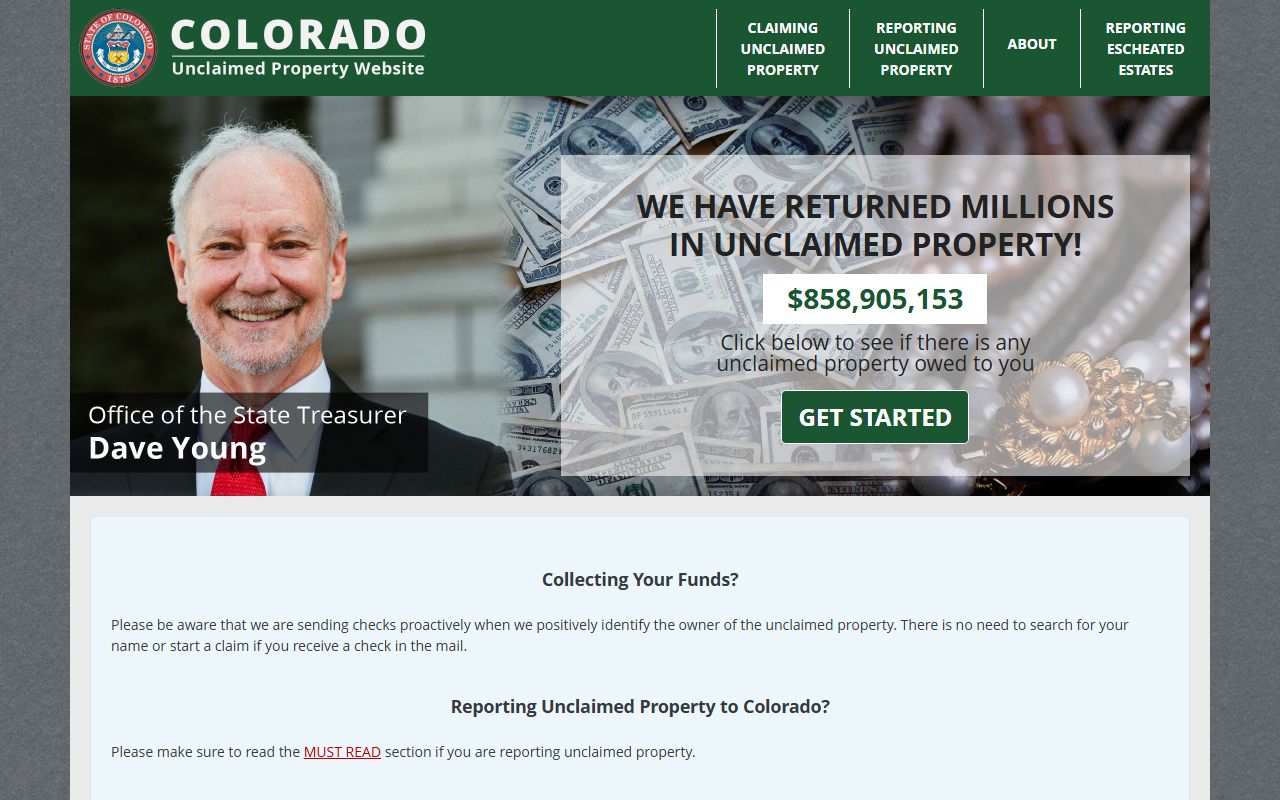
This page provides contact information and links to various county services and departments.
Types of Unclaimed Property
Unclaimed property comes from many sources. Banks are the most common holder. If you close an account and forget to withdraw the last few dollars, the bank sends it to the state. This happens more often than you think. People move, change banks, and lose track of old accounts.
Utility companies also report unclaimed deposits. When you cancel service, the company may owe you a deposit refund. If they cannot find you at your new address, the money goes to the state. Insurance companies report uncashed checks and policy benefits. Life insurance, health insurance, and property insurance all generate unclaimed funds.
Employers report uncashed paychecks. If you leave a job and do not pick up your last check, it becomes unclaimed property after a few years. Businesses report uncashed vendor payments and customer refunds. Even government agencies send money to the state. Tax refunds, court settlements, and overpayments can all end up in the unclaimed property system.
Stock dividends and mutual fund distributions also go unclaimed. If a company cannot find a shareholder, they report the funds to the state. The list goes on and on. Almost any type of financial account or payment can become unclaimed property if the owner cannot be located.
Note: Colorado law requires holders to turn over unclaimed property after a dormancy period, usually three to five years depending on the type of property.
How to File a Claim
Filing a claim is easy. Start by searching the state database. If you find property in your name, click on it to see details. Then click the button to file a claim. You will create an account with your email address. Once logged in, the site will guide you through the claim process.
You will need to upload documents to prove your identity. A driver's license or state ID card usually works. You may also need proof of address, like a utility bill or bank statement. For larger claims, the state may ask for additional documentation. This could include old account statements or letters from the holder.
Once you submit your claim and documents, the state reviews everything. They will contact you if they need more information. If your claim is approved, they mail a check to your address. The process usually takes a few weeks, though complex claims can take longer. There is no fee at any step. The state wants to return your money to you.
If you need help, contact the State Treasurer's office. They have staff who can answer questions and guide you through the process. Do not pay anyone who offers to help you file a claim. The state provides free assistance. Never give your Social Security number or bank account information to third parties. Only enter sensitive info on the official state site.
Why Money Goes Unclaimed
People lose track of money for many reasons. You move and forget to update your address with every company. A check gets sent to your old address and never reaches you. You close a bank account and assume the balance is zero, but a few dollars remain. Over time, these small amounts add up.
Busy lives cause money to go unclaimed. You get a check and set it aside, planning to cash it later. Then life gets in the way and you forget about it. The check expires and the company reports it to the state. This happens with tax refunds, insurance claims, and payroll checks.
Heirs often do not know about funds. A parent or grandparent passes away and the family does not know about an old bank account or insurance policy. The money sits unclaimed until someone searches for it. Businesses close and former employees never pick up final paychecks. Customers forget about deposits and refunds.
The good news is the state holds the money forever. There is no deadline to claim it. Even if twenty or thirty years pass, you can still file a claim. The state treasurer's office works to reunite people with their money, but they need you to take the first step and search.
Search Tips
When you search, try different name variations. Use your full legal name, but also try nicknames and initials. If your name is Robert, search for Bob and Rob too. Try your maiden name if you changed your name after marriage. The database might list property under an old name.
Search for relatives as well. If a parent or grandparent passed away, search their name. You might be entitled to funds as an heir. The state will ask for proof of your relationship, such as a death certificate and probate documents. But the effort can be worth it if significant funds are involved.
Also search for any businesses you owned. If you had a sole proprietorship, partnership, or corporation that closed, there might be unclaimed funds under the business name. The database includes both personal and business property. Take the time to search thoroughly. You never know what you might find.
Search regularly too. New property is added to the database all the time. A search today might show nothing, but a search in six months could reveal new funds. Set a reminder to search once or twice a year. It only takes a few minutes and could pay off.
Additional Resources
The Colorado Department of Property Taxation locality page lists contact information for the La Plata County Treasurer. This is helpful if you need to reach the county for property tax questions or other local financial matters.
The La Plata County website has information on county services, departments, and offices. You can find links to the assessor, clerk, and other officials. For unclaimed property, always use the state database. The county cannot help with claims, but they can direct you to the right resources.
The State Treasurer's office website has FAQs and guides for unclaimed property. They explain the claim process, the types of property held, and how to avoid scams. Take a few minutes to read through their resources. The more you understand the process, the easier it will be to file a successful claim.
Avoiding Scams
Be careful of scams. Some companies send letters or emails saying they found money in your name. They ask for a fee to help you claim it. Do not pay. The state site is free. Never give personal information to someone who contacts you unsolicited. If you get a suspicious message, go to the state site and search yourself.
Legitimate claims will show up in the state database. If someone claims to have found money for you, verify it on the official site before taking any action. The State Treasurer's office can confirm whether a claim is real. They will never ask you to pay a fee or provide sensitive information over the phone or email.
Only use the official state website. Check the URL carefully to make sure you are on the correct site. Scam sites sometimes use similar URLs to trick people. The official site is colorado.findyourunclaimedproperty.com. Bookmark it so you always go to the right place. Never enter your Social Security number or bank account information on any other site.