
Rio Grande County Unclaimed Property Search
Looking for unclaimed money in Rio Grande County starts with the state database. Colorado holds billions in lost funds from bank accounts, insurance refunds, old paychecks, and utility deposits. The Great Colorado Payback program keeps these assets safe until you file a claim. Search the free online system by typing your name or a business name. No cost to look. No cost to claim. Rio Grande County property sits in the database waiting for owners to come forward and get what belongs to them.
Rio Grande County Quick Facts
Unclaimed Money from Rio Grande County
Unclaimed property is cash or other assets with no owner contact for a set time. Banks hold accounts that people forget about. Employers keep paychecks that never got cashed. Insurance companies have policy proceeds that were not claimed. After the dormancy period ends, these businesses must send the money to the state. Colorado then lists it in a public database.
The state does not own your property. It acts as a keeper until you claim what is yours. There is no time limit to file. Your money stays available forever. The State Treasurer provides this service for free. You never pay to search or file a claim in Rio Grande County or anywhere else in Colorado.
Common types of unclaimed property from Rio Grande County include checking accounts, savings accounts, certificates of deposit, stocks, bonds, dividends, payroll checks, utility refunds, insurance money, and safe deposit box items. Property ends up with the state when businesses cannot find the owner. This happens when people move and do not update their address. It also happens when someone dies and the heirs do not know about the asset.
Rio Grande County operates local government services from Del Norte. The county does not hold unclaimed money. All dormant accounts go to the State Treasurer in Denver. This is true for every county in Colorado under state law.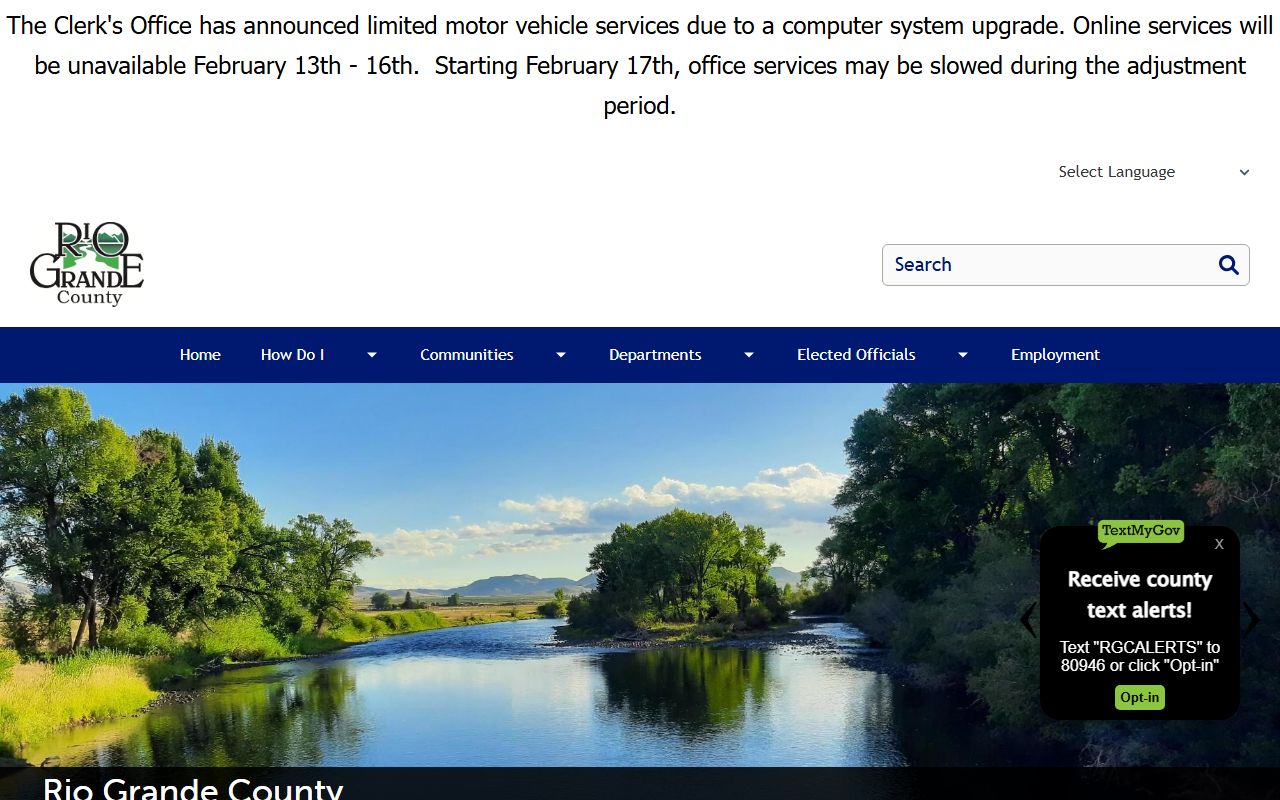
The County Treasurer in Rio Grande County handles tax collection and vehicle registration. That office sits at 965 6th St, Del Norte, CO 81132. You can call 719-657-3336 with questions about property taxes. But for unclaimed money claims, you must contact the State Treasurer in Denver, not the county.
How to Search for Your Property
The state provides a free search tool at the Great Colorado Payback website. Anyone can use it. No sign up required. Go to the site and type a name in the search box. The system checks the full database and shows all matches. Results appear in seconds.
Search for different versions of your name. Try your full legal name first. Then try nicknames if you go by a short version of your name. Check maiden names if you changed your last name after marriage. Business owners should search their company name and any old business names they used in Rio Grande County.
You can also search for people who have died. Heirs have the right to claim property that belonged to a deceased family member. Search for parents, grandparents, aunts, uncles, or siblings who lived in Rio Grande County. Many people find money they did not know existed when they search for relatives.
Each search result shows key facts about the property. You see the property type, like a bank account or paycheck. You see the name of the business that sent it to the state. You see a value range, though the exact amount does not show until you file a claim. Click any result to view more detail and start the claim process.
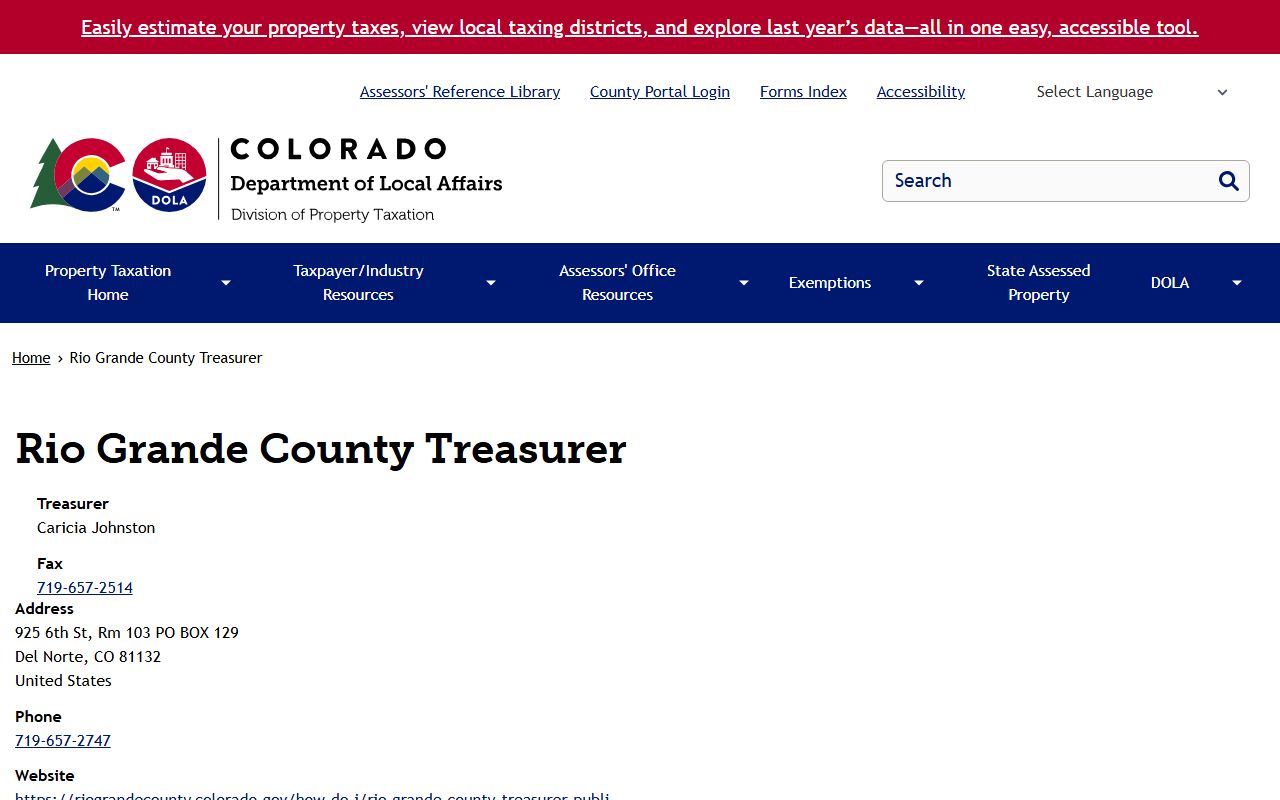
The Department of Treasury page for Rio Grande County provides contact information for local offices. This can help if you need to reach the County Treasurer for tax matters, but remember that unclaimed property claims go through the state, not the county.
File Your Claim Online
Most people file their claims entirely online. Find your name in the database first. Click the button to start a claim. The state website walks you through each step. It tells you what documents to submit. You upload photos or scans of your proof documents right on the site.
Basic claims need two things: proof of identity and proof of address. Use a driver's license, state ID card, or passport to prove who you are. Use a utility bill, bank statement, or lease to prove where you live. If the property is worth more than $1,000, you must get your signature notarized on the claim form. Claims under $1,000 do not need a notary signature.
Claims for deceased owners take extra steps. You must submit a death certificate for the person who owned the property. You also need proof that you are entitled to claim it. This might be a will that names you as a beneficiary. It might be probate documents from court. It might be an affidavit of heirship that shows you are the closest living relative. The state reviews these inheritance claims carefully to protect the rights of all possible heirs.
After you submit your claim, state law gives the Treasurer's Office 90 days to review it and send payment. Most claims finish much faster than that. The average claim processes in just 11 days. Complex claims with estates or disputes may take the full 90 days or more if the state needs additional verification. Check your claim status online using the tracking tool on the Great Colorado Payback website.
The state sends payment by check through the mail. In recent years, Colorado began issuing checks proactively when they can positively identify the owner without waiting for a claim. If you receive an unexpected check from the State Treasurer, it is legitimate. Cash it. This is part of the program to return Rio Grande County property to owners faster.
Colorado Unclaimed Property Law
State law controls how unclaimed property works in Rio Grande County and across Colorado. The rules appear in the Colorado Revised Statutes Title 38, Article 13. Colorado adopted the Revised Uniform Unclaimed Property Act in 2019 through Senate Bill 19-088. This law took effect on July 1, 2020. It updated the state framework to match modern standards used by most other states.
The law sets dormancy periods for different property types. Wages and payroll checks become presumed abandoned after one year with no owner contact. Most other property types use a five-year dormancy period. This includes bank accounts, utility deposits, and vendor credits. Stocks and dividends have a three-year period. Money orders remain with the issuer for seven years before transfer to the state.
These periods start when the owner last had contact with the holder or showed interest in the property. Logging into your bank account resets the clock. Cashing a dividend check resets the clock. Moving and not updating your address does not reset it. Under CRS 38-13-201, the dormancy period runs from the last indication of owner interest in the account.
Businesses must try to find owners before reporting property to the state. If an account is worth $50 or more, the holder must send written notice to the last known address. This notice goes out between 60 and 120 days before the annual report deadline. If the owner responds to the notice, the property stays with the holder and does not get reported. This gives Rio Grande County residents a chance to claim their money directly from the business before it goes to the state.
House Bill 25-1224 changed the rules for local governments in 2025. Previously, cities, counties, and special districts did not have to report unclaimed property. Now they do. All local government entities in Rio Grande County must comply with state unclaimed property law. They report dormant accounts by November 1 each year, just like businesses.
Requirements for Rio Grande County Businesses
Any business in Rio Grande County that holds dormant accounts must report them to the state. This includes banks, credit unions, insurance companies, employers, utilities, retailers, and professional service providers. Even small local businesses must comply if they have unclaimed property to report.
Most businesses file their annual report by November 1. Insurance companies have a different deadline of May 1. Holders submit reports online through the state reporting portal. They also send the actual funds at the same time. The state then lists the property in the public database where owners can search for it.
Businesses that fail to report or pay on time face penalties. The state can charge interest on late payments. It can also assess fines for non-compliance. Businesses with questions about their reporting obligations can email Holders@state.co.us for guidance from the Unclaimed Property Division staff.
Contact the State Treasurer
The Division of Unclaimed Property operates within the Colorado State Treasurer's Office. State Treasurer Dave Young oversees the program. Bianca Gardelli serves as the Unclaimed Property Director. The division maintains offices in Denver at 200 E. Colfax Ave., Room 141.
Staff answer questions about searching and claiming property. Call 303-866-6070 from the Denver area or 800-825-2111 toll-free from anywhere in Colorado. Phone support is available Monday through Thursday from 9:00 AM to 3:00 PM Mountain Time. Email questions to GreatCOPayback@state.co.us if you prefer written communication.
The frequently asked questions page covers common topics about unclaimed property. Learn what types of property get reported, why businesses turn funds over to the state, how long claims take, and whether there are any fees. Read through the FAQ before you call so you understand the basics of the program.
Colorado also participates in MissingMoney.com, a nationwide database that searches multiple states at once. This free service helps people who have lived in different states search many databases with one query. The site links back to each state's official claim process. Use this tool if you have lived outside Rio Grande County or outside Colorado.
Note: The state provides all forms and services for free, so you never need to hire anyone to help you file a claim.