
Kiowa County Unclaimed Money Search
Unclaimed money in Kiowa County may come from old bank accounts, utility refunds, or forgotten checks. The State of Colorado holds these funds through the Great Colorado Payback program. You can search for free and file a claim at no cost. Most people never look, so billions sit waiting. Check today to see if you have money held in your name. The search takes just a few minutes and could put cash back in your pocket.
Great Colorado Payback
The state runs a program called Great Colorado Payback. This database holds money from all 64 counties. Banks, insurance firms, and government offices send funds to the state after they sit unclaimed for a set time. The state keeps the money safe until the owner claims it. There is no time limit. You can claim funds from ten years ago or even longer.
To search, visit the Great Colorado Payback website. Type your name in the search box. The site will show any matches. Each entry lists the amount and the holder who sent it. If you see a match, click on it to learn more. Then follow the steps to file a claim. You will need to prove your identity with a photo ID and proof of address.
The claim process is simple. Most claims are approved within a few weeks. The state mails you a check. There is no fee. Do not pay anyone who offers to help you search or file. The state provides free assistance if you have questions. Call or email them for help.
Kiowa County Treasurer Office
Kiowa County does not maintain its own unclaimed property program. Instead, the county works with the state. If you have funds related to county taxes or other local matters, they will eventually go to the state database. You can still contact the Kiowa County Treasurer for questions about property taxes or other county finances.
Visit the Kiowa County website for information about local government services and contact details.
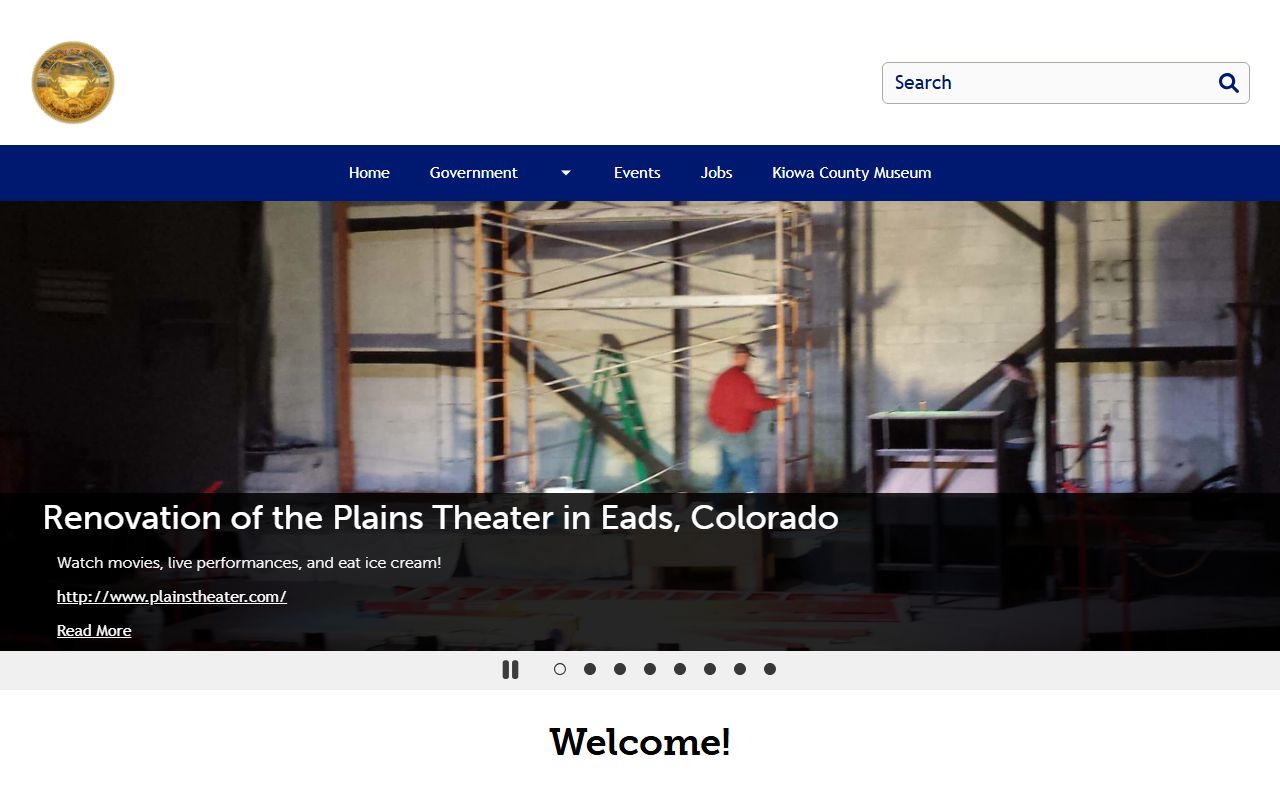
The county site has links to departments and offices. You can find phone numbers and addresses for local services.
The treasurer office is at 1305 Goff Street in Eads. Call them at 719-438-5811 if you need help. Office hours vary, so it is best to call ahead. Staff can answer questions about tax bills, payments, and other financial matters. For unclaimed property, they will direct you to the state site.
Department of Property Taxation
Colorado's Department of Property Taxation (DPT) provides resources for county treasurers. They publish contact info and links for each county. The DPT locality page for Kiowa County Treasurer lists the treasurer's contact details and office location. This page is helpful if you need to reach the county for tax-related issues.
The DPT locality page shows treasurer contact information and links to county resources.
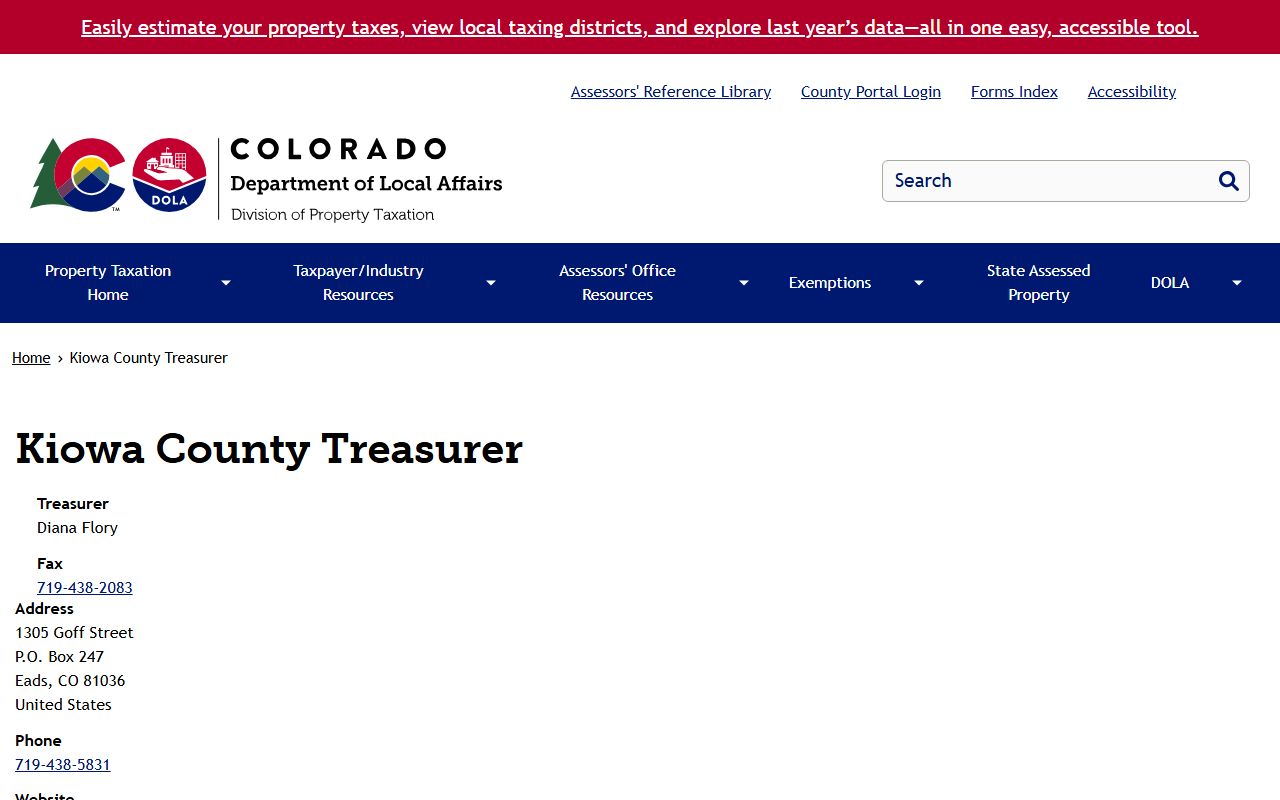
Use this page to find the phone number and address for the Kiowa County Treasurer office.
The DPT does not handle unclaimed property claims. They focus on property tax matters. For unclaimed funds, always use the state database. The DPT page is just a starting point if you need to contact the county treasurer for other reasons.
Types of Unclaimed Property
Unclaimed money comes from many sources. Old bank accounts are common. If you close an account but forget to withdraw the last few dollars, the bank sends it to the state. Utility deposits also end up unclaimed. When you move and cancel service, the company may owe you a refund. If they cannot find you, they send the money to the state.
Insurance payouts can go unclaimed too. Life insurance, health insurance, and property insurance sometimes issue checks that never get cashed. The company holds the money for a while, then sends it to the state. Payroll checks are another source. If you leave a job and do not pick up your last check, it becomes unclaimed property.
Even tax refunds can end up unclaimed. If the state or IRS sends you a refund and the check is never cashed, the funds eventually go into the unclaimed property system. Other sources include court settlements, vendor payments, and dividends from stocks or mutual funds. The list is long, so it is worth searching even if you think you have no claims.
How to File a Claim
Filing a claim is easy. Start by searching the database. If you find a match, create an account on the state site. You will need an email address and a password. Once logged in, select the property you want to claim. The site will ask for documents to prove your identity. Upload a copy of your driver's license or state ID. You may also need proof of address, like a utility bill or lease agreement.
If the claim is for more than a certain amount, the state may ask for additional proof. This could include old account statements or a letter from the company that held the funds. The state reviews your claim and documents. If everything checks out, they approve the claim and mail you a check. The whole process usually takes a few weeks, but it can be longer for complex claims.
There is no cost to file. The state does not charge a fee. Be wary of companies that offer to find your unclaimed money for a fee. They are just searching the same database you can access for free. If you need help, contact the state treasurer's office. They have staff who can guide you through the process at no charge.
Why Money Goes Unclaimed
People lose track of money for many reasons. You might move and forget to update your address with every company. A check gets sent to your old address and never reaches you. Or you might close an account and assume the balance was zero, when in fact a few dollars remained. Over time, these small amounts add up.
Heirs often do not know about funds left by a deceased relative. A parent or grandparent might have had an old savings account or an insurance policy. If the family does not know about it, the money sits unclaimed. Businesses also lose track of payments. A vendor might issue a refund check that never gets cashed. The money goes to the state after a certain period.
Some people simply forget. Life gets busy. You get a check and set it aside, meaning to cash it later. Then you forget about it. The company waits a certain time, then reports it as unclaimed. The good news is the state holds the money forever. There is no deadline to claim it. Even if decades pass, you can still file a claim.
Search Tips
When you search, try different name variations. Use your full legal name, but also try nicknames. If your name is William, search for Bill and Will too. Try your maiden name if you changed your name after marriage. The database might list the property under an old name.
Search for relatives as well. If a parent or grandparent passed away, search their name. You might be the heir to funds they never claimed. The state will ask for proof that you are the rightful heir, such as a death certificate and a will or probate document. But the effort can be worth it if there are significant funds.
Also search for any businesses you owned. If you had a business that closed, there might be unclaimed funds under the business name. The database includes both individual and business property. Take the time to search thoroughly. You never know what you might find.
Nearby Counties
Kiowa County borders several other counties. If you have lived or worked in the area, check those counties too. The state database includes funds from all counties, so one search covers the whole state. Nearby counties include Cheyenne County, Prowers County, Bent County, Crowley County, and Lincoln County. Each county has its own treasurer, but all unclaimed funds go to the state.
Avoiding Scams
Be careful of scams. Some companies send letters or emails claiming they found unclaimed money in your name. They ask you to pay a fee or provide personal information. Do not fall for it. The state site is free and safe. Never pay someone to search for you. Never give out your Social Security number or bank account info unless you are on the official state site.
If you get a suspicious letter, check the state database yourself. If the claim is real, it will show up there. Do not trust third parties who promise to find money for a fee. The state provides all the tools you need at no cost. If you have questions, contact the state treasurer's office directly. They can confirm if a claim is legitimate.